Spring birding: A fantastic time to get out and about
Published 3:31 pm Sunday, March 8, 2026
I have been birding my patch a lot lately. My patch is the Long Beach Peninsula and what a place it is.
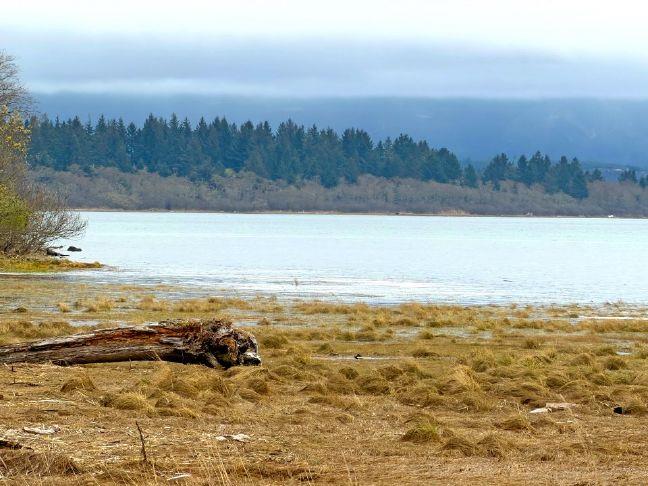
Ilwaco was the focus one day last week. The harbor is an excellent spot for birds. One can always see a variety of species, waterfowl, shorebirds and songbirds abound.
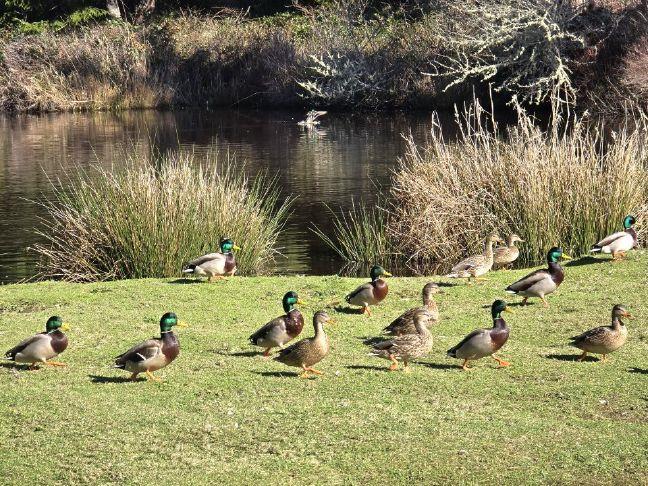
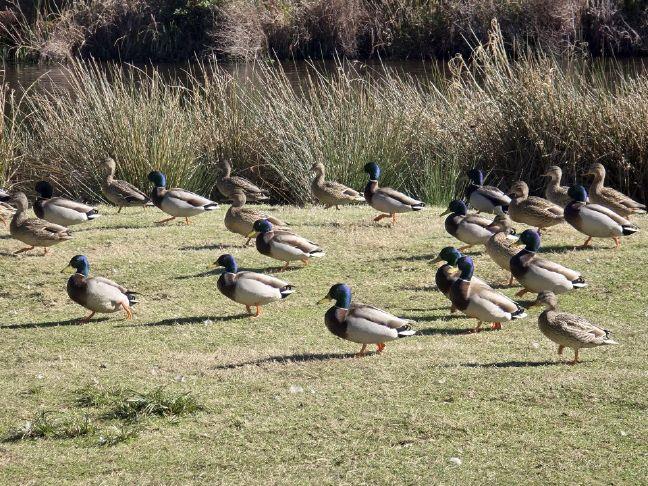
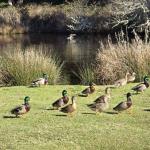
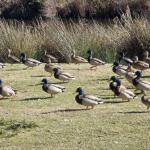
A bald eagle seemed to be on the hunt as the tide began to ebb. It perched at the tip top of an evergreen at the edge of Baker Bay. This gave it a good vantage point if it decided a tasty duck or an unsuspecting double-crested cormorant sitting on the shoreline drying its wings, was on the menu. However, I think it might have had its fill by the time I arrived on the scene late in the afternoon. It just sat and watched. The waterfowl it had to choose from included American wigeon, northern pintail and mallards. A great blue heron was foraging in the wetland adjacent to the bay, gulls were flying about in the harbor and Brewer’s blackbirds were feeding along the edge of the roadway into the harbor.
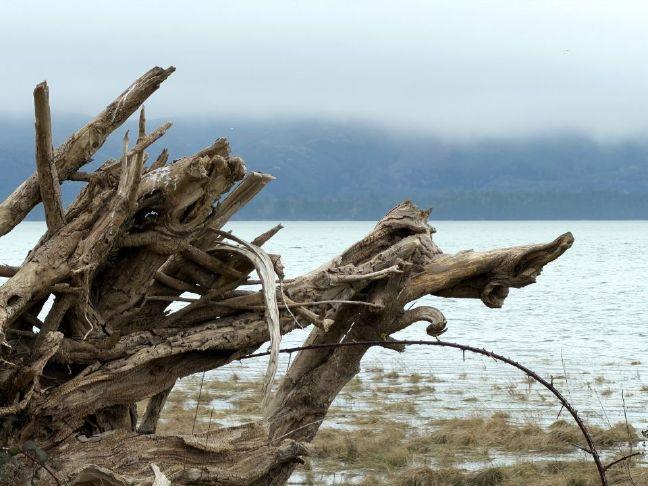
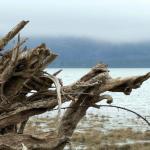
I watched from the area where the recycle bins are located. It is a good vantage point for both the bay and the harbor. An American kestrel has taken up residence in this area. It hunts the wetland for small mammals and insects. Its favorite perch is a huge piece of driftwood at the edge of the parking lot or the willows at the edge of the wetland. This is the first year I have observed a kestrel in the area. I see it now every time I visit the Ilwaco harbor. Another raptor that loves the wetland next to the bay is the northern harrier. It is there without fail hunting the area.
If the tide is low, shorebirds feast on goodies along the mudflat below the roadway as you drive in. Least sandpipers, one of our smallest shorebirds, are the most common. Last week a greater yellowlegs was foraging, and I have seen in bygone days a red knot. So, you never know what might turn up at low tide on the harbor mudflats.
Traveling the peninsula roads always produces good birding in the spring and fall. I have been seeing American robins galore. It has mainly been a migration of the males until this week, when an influx of females occurred. Nesting is about to begin. Varied thrush and song sparrows are also part of the roadside crew.
The north end of the peninsula is also a favorite of mine. I have found a tree that is being worked over by a pileated woodpecker. I first noticed it late last fall. I haven’t figured out its routine yet. Even though I have been on the lookout, I haven’t seen it at work in the last few weeks. However, the evidence is convincing. Small and large oval holes keep appearing and the bark of the tree is falling off as a result. The tree is a very tall evergreen snag.
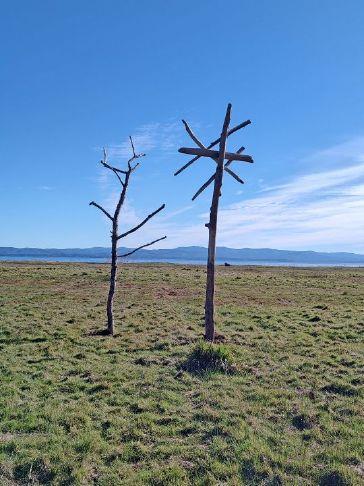
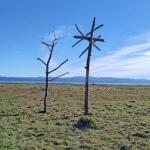
If you pass through Oysterville you will now see two new dead snags that were planted in the Oysterville wetland/field for the birds. I am keeping an eye for the return of the raptors that used the previous one as a hunting or resting perch before the snag met its demise. Thank you to the gentleman who planted the snags. I hope that the peregrine falcon returns along with the red-tailed hawk, American kestrel, cliff swallows, etc. to take advantage of this valuable addition to the Oysterville wetland/field.
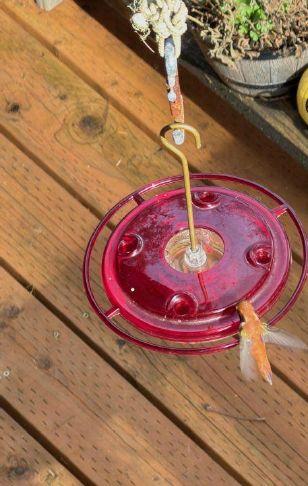
A black phoebe or two have made their way to the north end. Several have been reported. Our feeder was visited by a downy woodpecker for the first time ever and Merlin reports the presence of a hairy woodpecker. The rufous hummingbirds have returned. My first sighting was on Feb. 27.
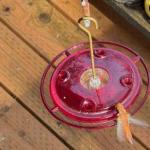
Last evening six hummingbirds were happily sharing the feeder. The Anna’s hummingbird, a pair, are still here but play second fiddle to the very aggressive rufous hummingbirds. The solution might be to hang another nectar feeder away from a view of the current one. Once migration settles there is likely to be only one pair of each species in the same vicinity. The others will move on to their usual breeding area.
This is just a glimpse of birding on the peninsula to date. This is an excellent time to be on the lookout for our spring migrants. Happy birding!