Birding: Spring is in the air!
Published 1:47 pm Sunday, March 1, 2026
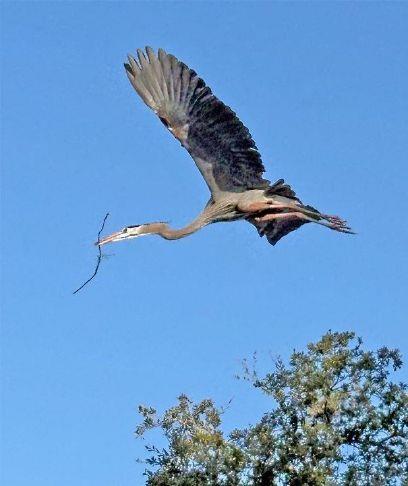
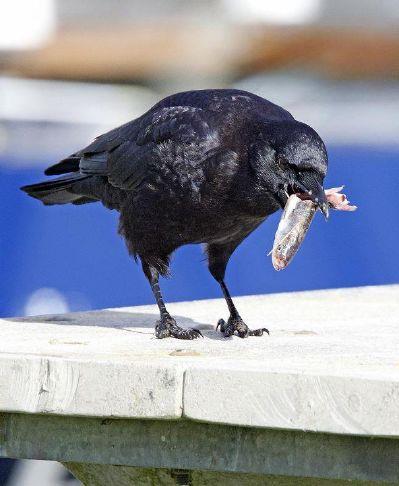
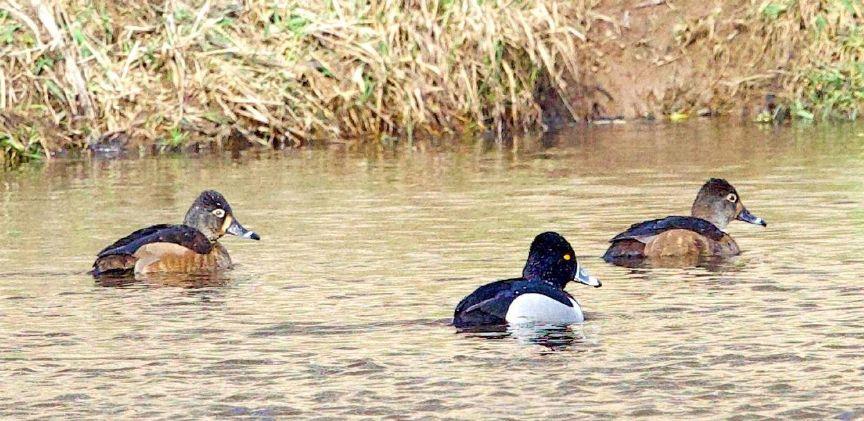

Brilliant, yellow daffodils, pink rhododendrons, camelias and skunk cabbage are all making their presence known and are giving us the happy message that spring is virtually here. Robins are everywhere and this too lets us in on the nearness of spring. Northern flickers are chasing each other from branch to branch and tree to tree. Wings are flapping and heads are held high in the air, all in the name of spring and the breeding season.
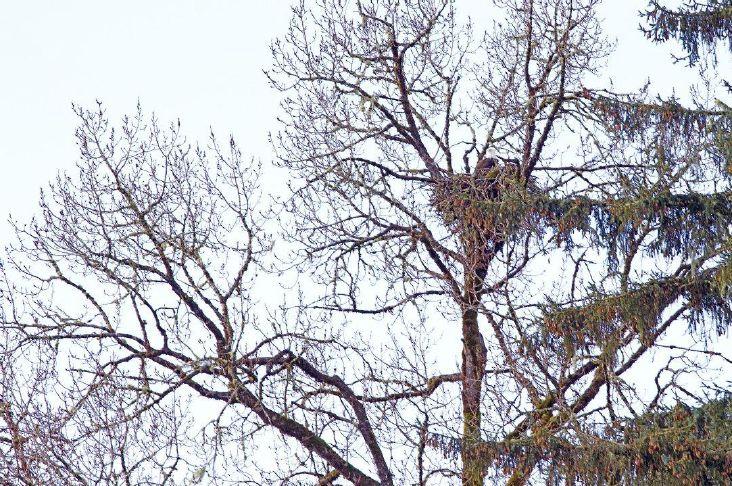
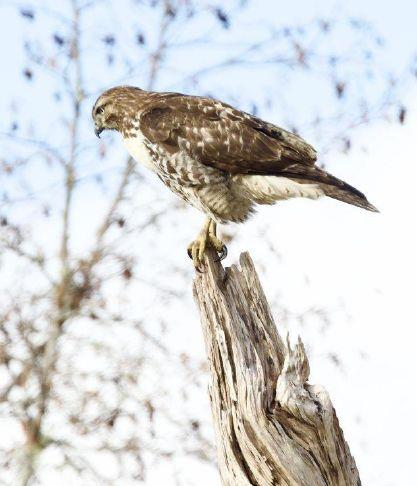
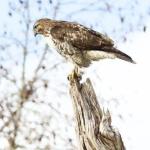
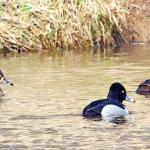
A trip to Skamokawa to visit a friend was full of hints of spring’s arrival. Bald eagles were seen renovating their nest. One of the pair perched close by it keeping an eye on the goings on. Male ring-necked ducks, common mergansers and greater scaup were strutting about in their spring finery in order to attract any females lurking nearby. Red-tailed hawks were out in relatively large numbers, so they too are most likely renovating their nests or building new ones.
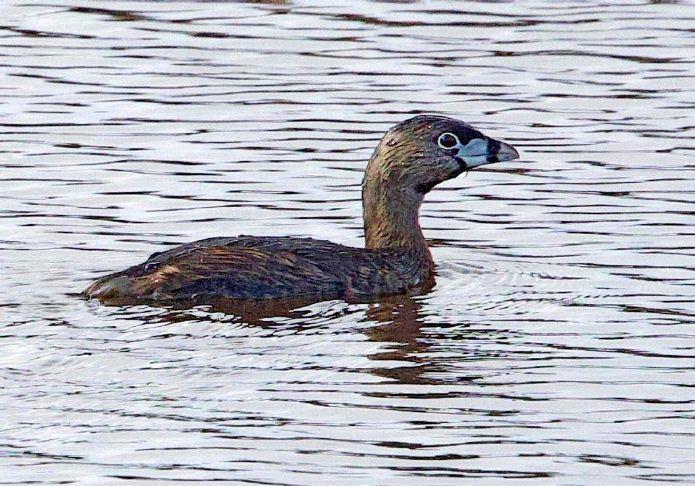
On the way home from Skamokawa, a visit was made to the Julia Butler Hansen Wildlife Refuge, home of the Columbian white-tailed deer. A bald eagle was observed actually standing in its nest. It must be close to egg laying time for this pair. About 50 tundra swans were resting up in the wetland getting ready for the long journey to the north. Pied-billed grebes, Canada geese and ring-necked ducks were swimming in the slough behind the visitor’s deck. The piece-de-resistance was a pair of black phoebes flying off perches and back again after snatching insects from the air. It was entertainment at its finest.
Back home, there were plenty of signs of spring. The once considered rare black phoebe flew on and off a snag in the yard. It has expanded its range in recent years to include the Long Beach Peninsula. The warmer temperatures the peninsula is experiencing is bringing out the insects for them. The tree frogs began singing loudly as dusk approached. The number of species being seen and heard is ramping up. Hutton’s vireo, black-capped and chestnut-backed chickadees, red-winged blackbirds, American robins, kinglets, varied thrush and woodpeckers were all in spring mode!
The Long Beach Peninsula wildlife is definitely telling us spring has sprung! Keep an eye out for our spring migrants such as white-crowned sparrows, Swainson’s thrush, American goldfinch, tree swallows, barn swallows, rufous hummingbird, turkey vultures and osprey. It won’t be long. The stage is set for spring. I am looking forward to the unfolding of the play. We are now experiencing Act One. Act Two is soon to follow.
Happy birding!