Washington AG seeks more power to probe without oversight
Published 6:21 pm Sunday, February 22, 2026
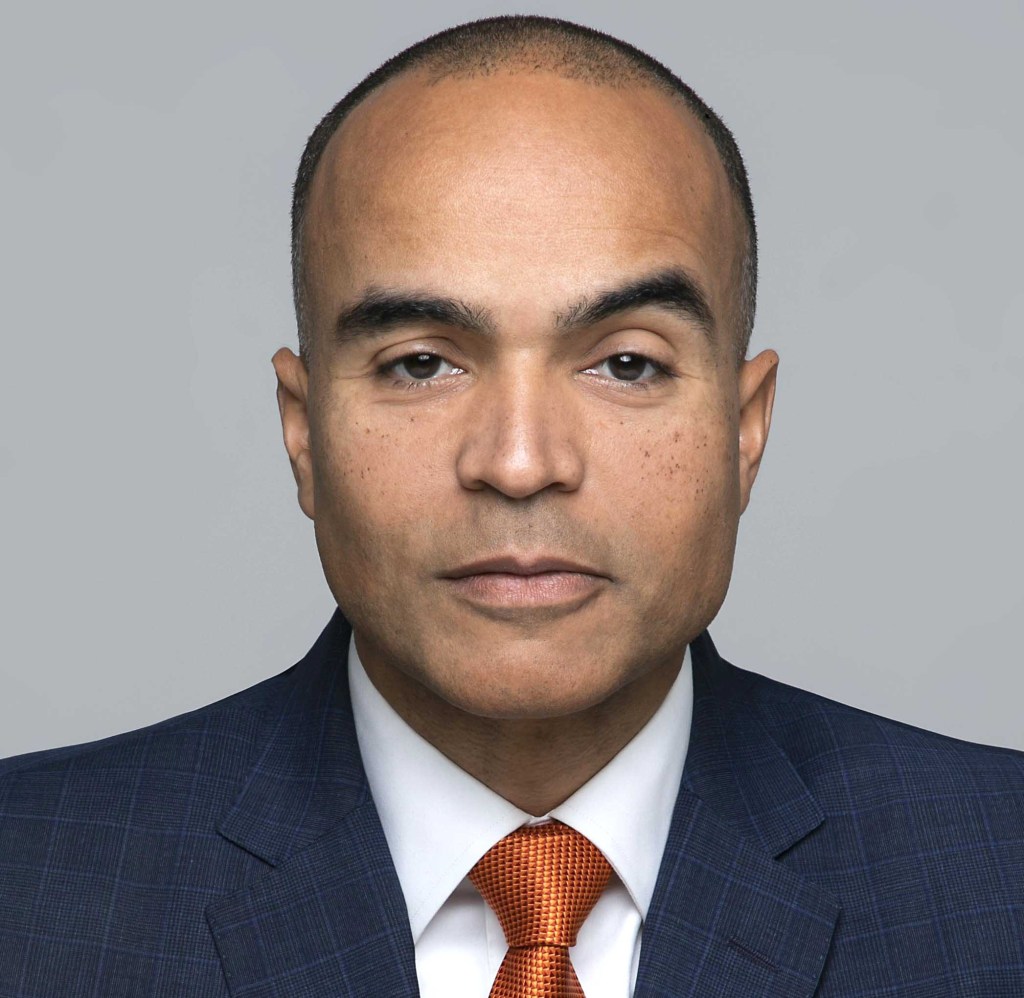
Washington Attorney General Nick Brown is seeking broad authority from lawmakers to investigate citizens without judicial oversight, a power a county prosecutor calls “extreme.”
Senate Bill 5925, which already has passed the Senate, was requested by Brown, a Democrat. It would allow the attorney general to demand documents and testimony without a warrant to investigate allegations of discrimination, and labor and constitutional violations. The attorney general also could demand police departments and sheriff’s offices provide records and testimony related to jail operations and whether they cooperated with Immigration and Customs Enforcement.
The power would allow Brown to “fish” for violations without convincing a judge there were grounds for the investigation, Spokane County Prosecutor Preston McCollam told the House Judiciary and Civil Rights Committee.
“It allows carte blanche investigative authority, and that’s problematic for our system of government,” McCollam said at a hearing Feb. 18. “Any person or entity is potentially subject to this investigative authority and that includes all of you.”
The attorney general already can issue “civil investigative demands” to probe violations of consumer protections laws, rent control and Medicaid fraud. SB 5926 would expand those powers to other areas.
The powers will make investigations “more effective and efficient,” said Chalia Stallings-Ala’ilima, senior attorney in the attorney general’s civil rights division.
“It simply provides us with a tool to investigate laws we are already enforcing,” she said.
Washington Association of Sheriffs and Police Chiefs policy director James McMahan said the attorney general was seeking more than that.
“We still believe strongly that Senate Bill 5925 would allow the attorney general’s office to bring a law enforcement agency to its knees,” he said.
McCollam said the attorney general’s office was downplaying the significance of Brown’s request. The bill could be used by a partisan attorney general to go after anyone, including legislators, small businesses, corporations and “mommy bloggers on Facebook,” he said.
A person could sue to challenge the attorney general’s demand for records and testimony. “You have to hire a lawyer and beat off the power of the state government and that’s hard to do,” McCollam said.
Under the bill, the attorney general could get a court order to gag the target of an investigation.
Talking publicly about the investigation would be a misdemeanor. “If you told the media, ‘Hey, I’m being put upon by the partisan office of the attorney general,’ suddenly that’s a criminal violation,” McCollam said. “This is a restriction of First Amendment rights.”
The Fourth Amendment prohibits searching papers without a warrant. The Washington Constitution says no one “shall be disturbed in their private affairs … without authority of law.”
Under SB 5925, the attorney general could demand papers and disturb private affairs if the attorney general “believes” there is something to investigate. “There is no requirement that you go to a judge to have it authorized,” McCollam said. “This is extreme power.”
Lawmakers asked Stallings-Ala’ilima who would be the watchdog over a corrupt or partisan attorney general. Someone could complain to the bar association or voters could turn the attorney general out of office, she said.