Tunerville slated for closure
Published 11:52 am Thursday, March 5, 2026

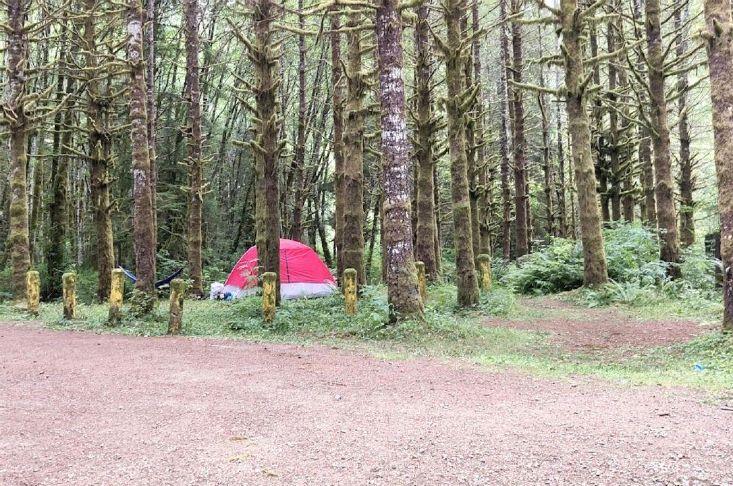
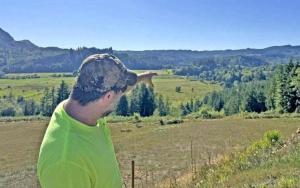
NASELLE — A remote horsepacking destination with an avid local fan base is slated for full closure as the state wrangles with a budget crisis.
Tunerville — some insist it is spelled Toonerville — is near the end of Salmon Creek Road. Its origin goes back to 1917, when the Deep River Logging Camp served as a company town and base for early industrial forestry.
In a 2005 story (https://tinyurl.com/Tunerville-feature), the Chinook Observer described the setting: “corrals are shaded and sheltered by huge trees. When horseman from both sides of the Columbia come to camp, it’s a common sight to see a horse or mule being led to the creek to sip water. Nearby, flames brighten a campfire area, as friends gather to share stories and relax at this little piece of heaven called Tunerville. It means a lot to these people. They ride the trails and relish the scenery and peace. They feel secure that at least for now, the camp will stay open and they’ll be able to use it.”
Tunerville was initially slated for closure in 2000, until campground users convinced the Washington Department of Natural Resources to change course. At the time, DNR said the site conflicted with a habitat conservation plan that called for closing and abandoning forest roads that are close to streams, because of sedimentation deliverance into the water and the danger it posed to salmon.
This time around, Tunerville and numerous other DNR assets are targeted as the agency’s recreation program faces a $750,000 cut — atop the more than 20% reduction to the program entering the current two-year budget cycle, according to the Seattle Times.
DNR manages millions of acres of state lands used for hiking, biking and off-road vehicle riding. The agency has roughly one worker for every 22 miles of trail or 330,000 visitors, spokesperson Michael Kelly told the Times.
Tunerville and the other potential closures were identified with input from DNR’s six regions. Officials prioritized sites that are costly to operate, remote from staff hubs or prone to vandalism and illegal dumping. Campgrounds with gates or single-access roads were also considered because they can be closed more easily to prevent damage and limit misuse, the Times reported.
Kelly said the state House supplemental proposal is somewhat more favorable to recreation funding than the Senate’s or the governor’s plan, but significant gaps remain. Even if lawmakers reverse the additional $750,000 cut, DNR would still be operating with roughly 20% less funding than in the previous two-year budget.
The current legislative session is expected to end Thursday, March 12.