Unlikely storm unleashed havoc
Published 4:38 pm Sunday, December 14, 2025
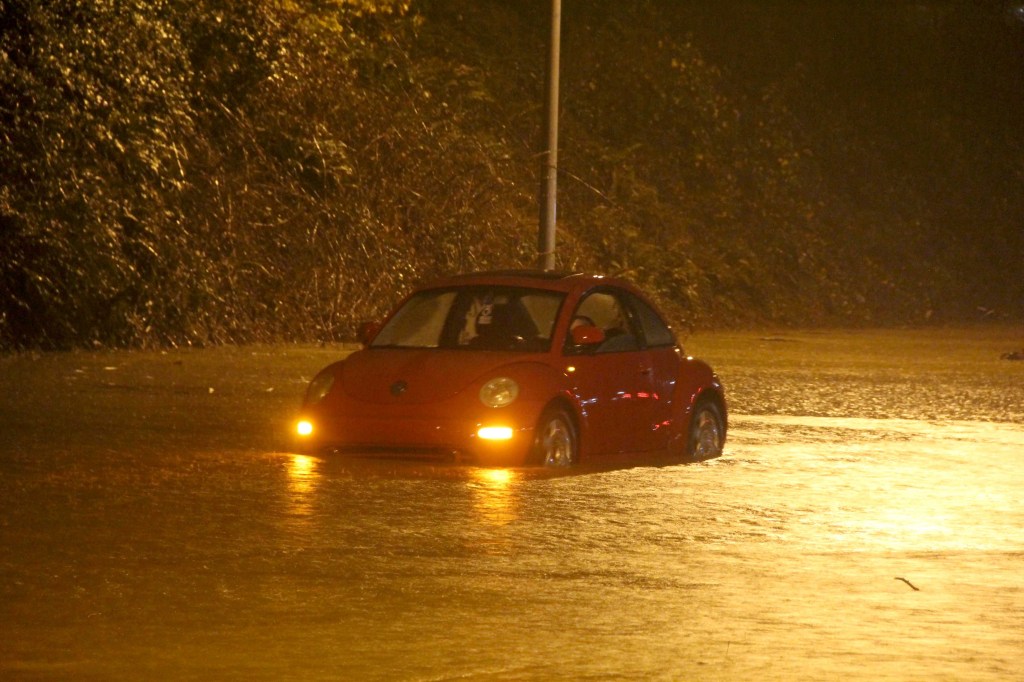
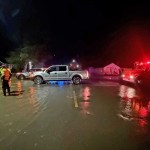
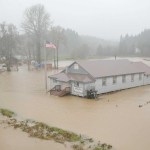
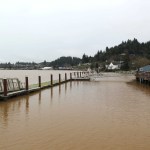

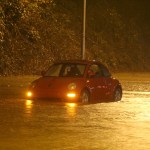
It was an eerie echo of the legendary Great Gale of December 2007 — minus the hurricane-force winds.
Pacific County’s situation Dec. 8-9 came with little warning. The National Weather Service (NWS) in Portland stated heavy rainfall and significant impacts were “unlikely to occur.”
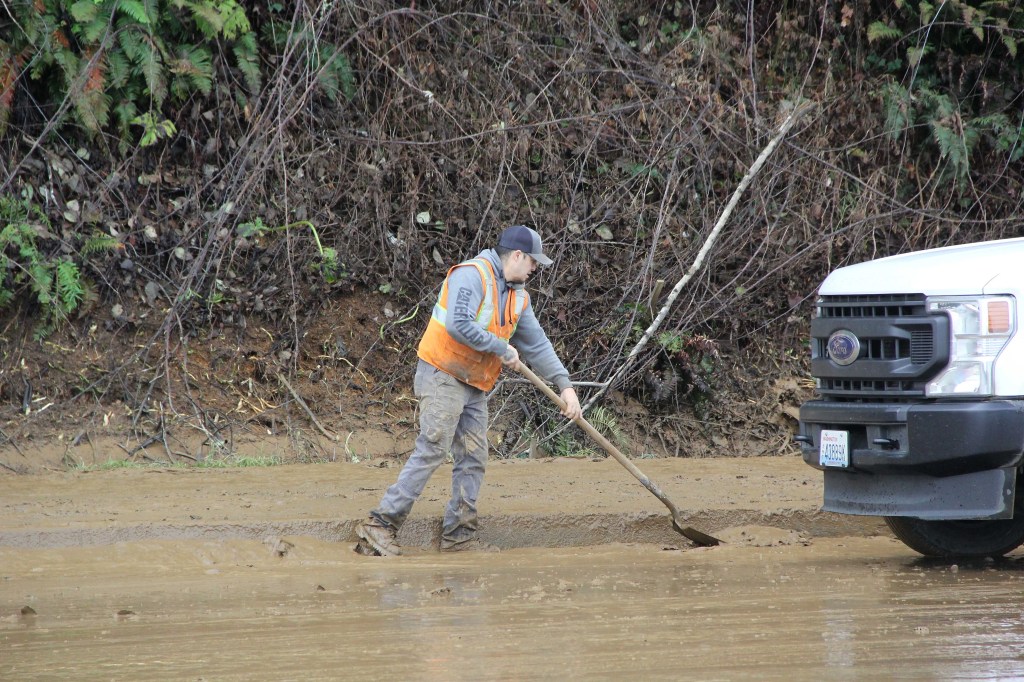
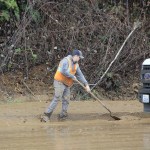
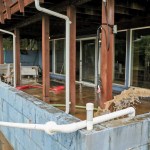
Instead, the county experienced flooding, including highways and streets completely covered with water, trees down across roadways, a landslide on State Route 105 that caused a tree to fall and hit the bed of a passing truck which then was struck by another vehicle, and another landslide on Monohon Landing Road in Raymond.
The likelihood of the storm being so severe was pegged at around 10%, yet it became a reality that caused chaos throughout the county and most of western Washington.
The lack of warning received public attention via University of Washington Meteorology Professor Cliff Mass’s weather blog. Mass stated in a post that the NWS waited too long to issue flood warnings.
“This is a serious event, and people need time to prepare,” Mass said in the blog on Dec. 8.
Ultimately, Wahkiakum County was named in a federal disaster declaration, but as of Dec. 14 Pacific had not. Storm impact were far worse in northwest Washington.
Fast-rising rivers
In Pacific County, warnings came too late because the situation was already severe.
“We had rainfall rates that were north of half-an-inch an hour,” Pacific County Emergency Management Agency Director Scott McDougall said. “We generally start seeing impacts from flood impacts if we have six inches of rain in a 24-hour period. We got six inches of rain [between about] 10 a.m. and 6 p.m. So, we got six inches of rain in an eight-hour period, and if that happens the water is going to come and doesn’t have any place to go. So, it is going to pond until it can [go] out.”
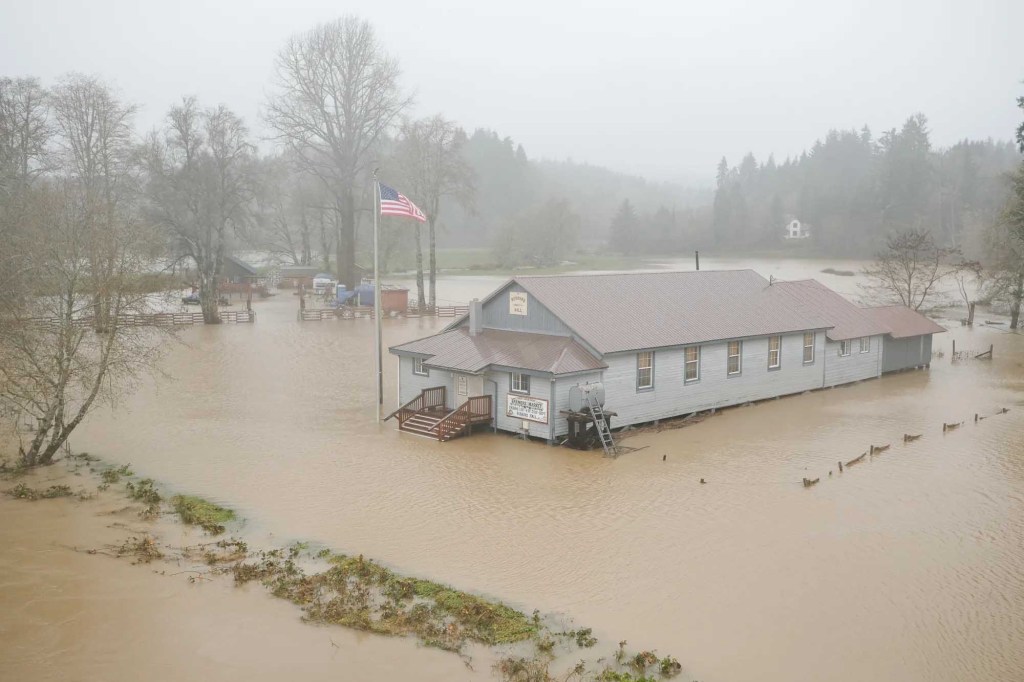
“It is ironic because we had the flooding in South Bend, and we had the flooding in Naselle. The Naselle [flooding] ended up peaking at its second-highest level ever, but these things happen — not because of the sheer amount of rain — but because of where the rain fell,” McDougall added.
Rainfall pushed the limits on what local rivers, creeks and storm drains could handle. What was initially forecast to be a level four atmospheric river that would have little impact on the area ended up being one for the record books.
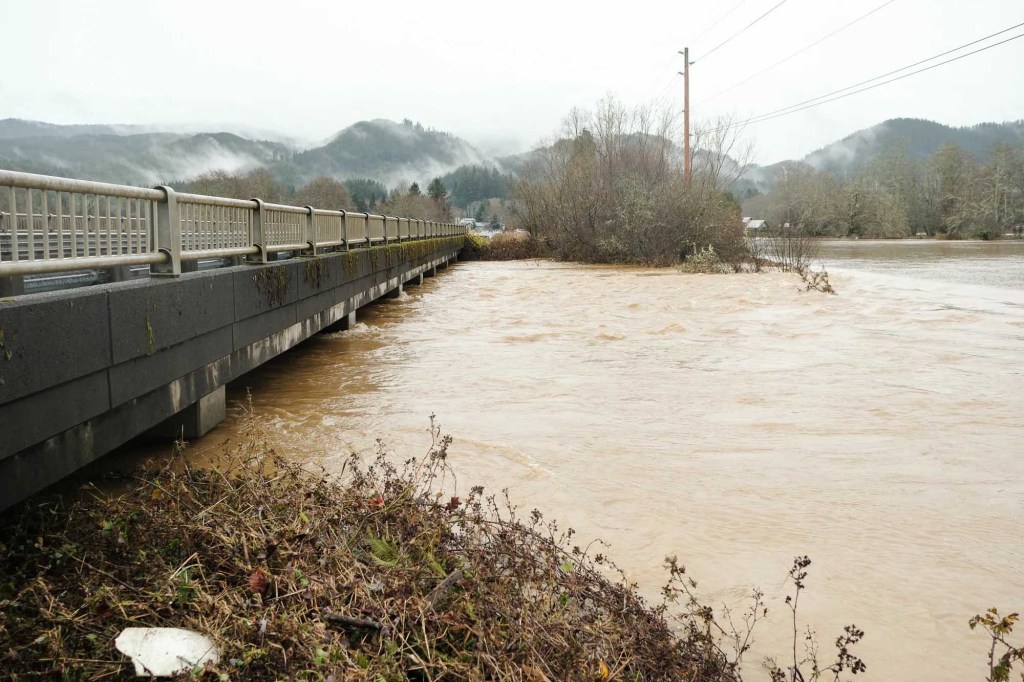
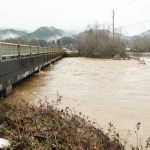
In neighboring Wahkiakum County, the heavy rainfall resulted in the Grays River breaking its crest record set back during the Great Gale of 2007 at 33.15 feet. At around 12:45 a.m. on Dec. 9, the river crested at 33.36 feet, breaking the record by 0.21 feet.
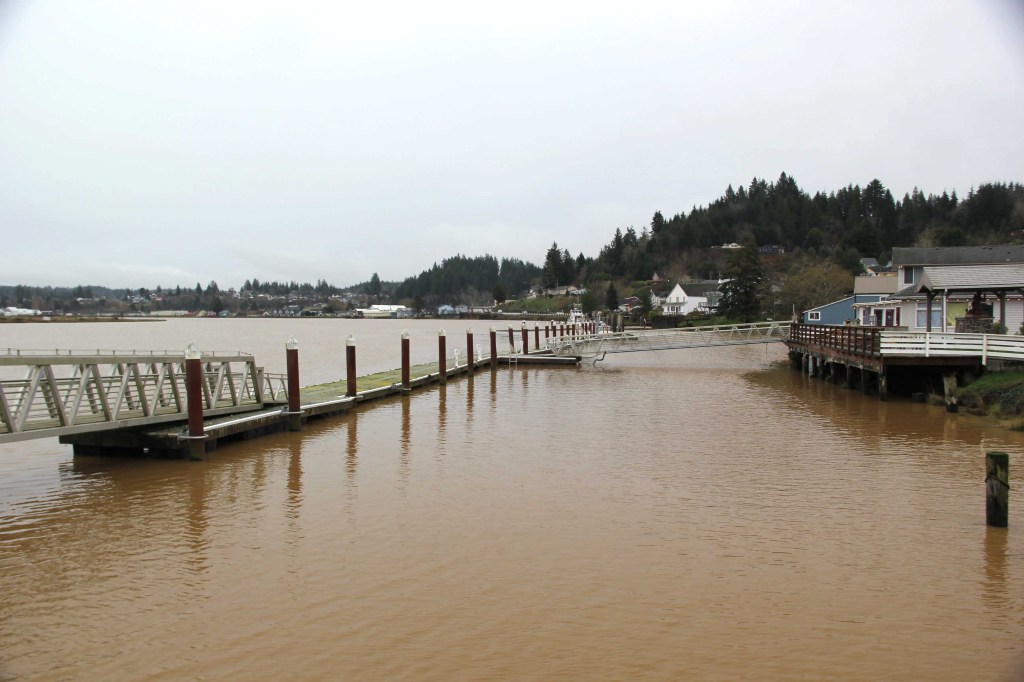
The Naselle River came very close to beating its record set in 2009 at 20.62 feet, when it crested at 19.80 feet at 12 a.m. on Dec. 9. Most living along the Willapa River lucked out with its cresting at 22.69 feet at 4 a.m. on Dec. 9, within its moderate flood stage and 1.31 feet below its major flood stage.
“We also saw that the rivers came up quickly and then they went back down just as quickly,” McDougall said. “Now, if you look at what is going on up in Mouth Vernon, if you look at what is going on up in Skagit County, Snohomish County and Whatcom County, they got a huge amount of rain. The rain fell up there on [Dec. 10] and continued on [Dec.11], and we didn’t see crests on [those rivers] until 4 a.m. [on Dec. 12].”
“Different river system, different type of precipitation, lots of precipitation over a short period of time but not the same as we are talking about. So, the flooding up there was a little different than what we saw down here. What we saw was water coming up really quickly, water going really quickly.”
‘It was unpredictable’
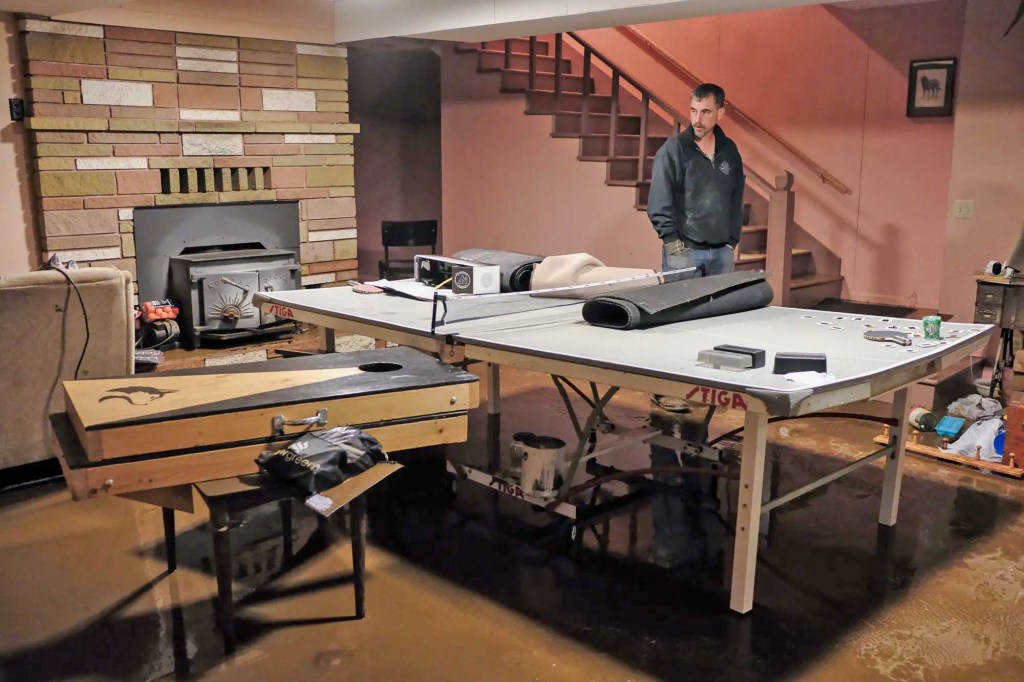
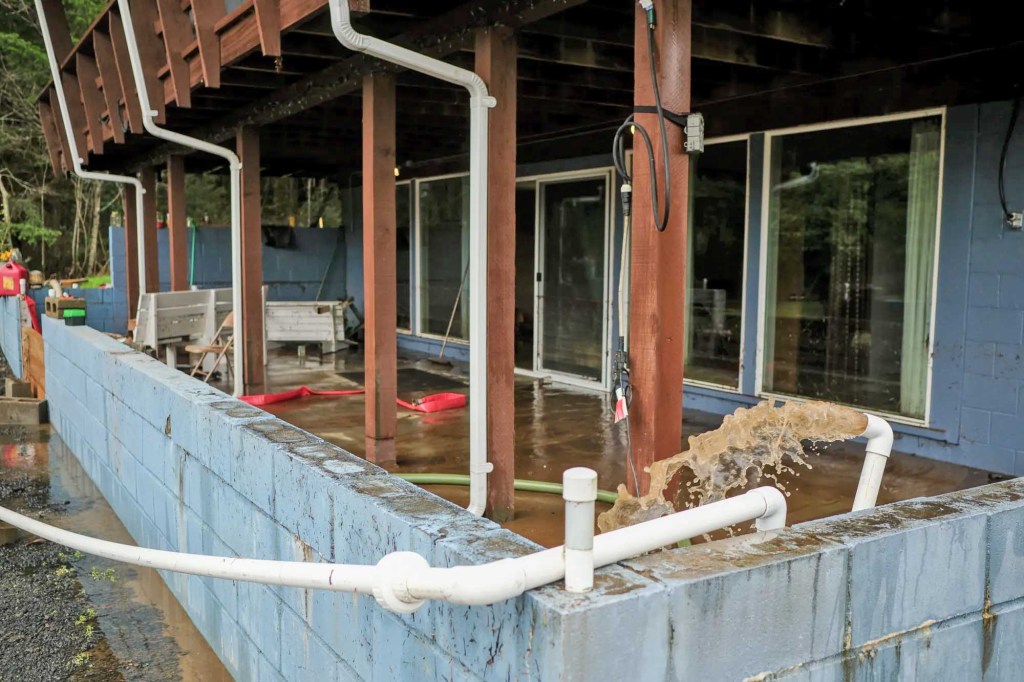
This is not to suggest no one in Pacific County suffered due to the flooding. Residents in low-lying areas along the Willapa estuary had to be evacuated as the water rose.
“If you live on the flats in South Bend or on Central Avenue, I understand why people are pissed, but at the same time all of this had all the potential in the world to be a true emergency, and what it was was a colossal pain the rear,” McDougall said.
The NWS put a likelihood of it being a non-significant event at 90%. By the time actual warnings were issued and action could be taken, it was already too late.
“It was unpredictable,” McDougall said. “The NWS indicated to me that there was a possibility that these things could happen, but we were talking about a 10-15% and I think the chance of the Willapa River hitting major flood stage was 11% and it didn’t, and the chance of the Naselle River hitting major flood stage was about 15% and it did.”
“It was really dependent on where you were and what kind of microcells that came over and impacted those specific areas and those things are difficult to predict. In retrospect, I probably could have presented the information differently, but I wanted to present the information that was most likely to occur.”
“I don’t like to get into non-zero possibilities or 10% possibilities because generally those things don’t happen, but in retrospect I am wishing I had shared just a little bit more information about what some of those possibilities were, but I wasn’t seeing it as it happened,” McDougall added.
The most affected areas during the storm were South Bend and Raymond, where rainfall resulted in localized flooding. All four lanes of U.S. 101 near Barnhartt Street in Raymond were covered by hillside runoff and mud, resulting in several cars getting stuck.
Minor to serious
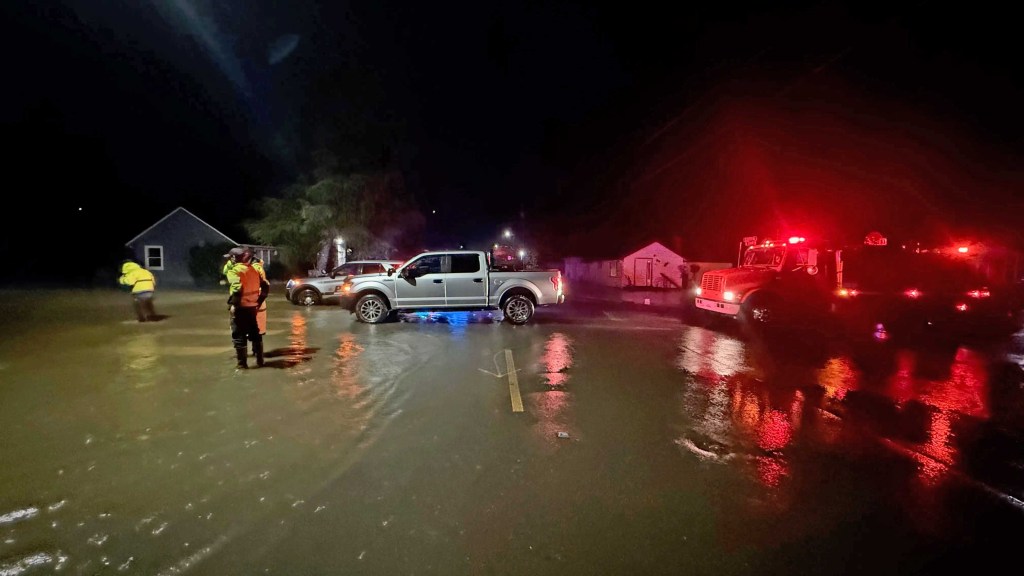
South Bend took the brunt of the storm. Rainfall caused localized flooding to go from minor to serious within 30 minutes.
The high rate of rainfall was most drastically felt on Central Avenue, where a culvert runs under South Bend and out to the Willapa River. The amount of water coming down from the hillside above Willapa Avenue overpowered the system’s ability to drain the water.
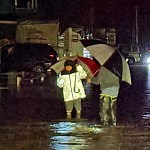
South Bend Police Department (SBPD) Officer Jordan Dockter was heard over the radio monitoring the situation on both sides of the city. He was heard giving an update around the South Bend School District sometime after 7:30 p.m., where he reported 1 to 1.5 feet of water over the roadway.
Less than 30 minutes later, he gave another update that there was significant flooding between Central Avenue and Fourth Street. The water reportedly rose 3 to 4 feet within 30 minutes, between the time he drove from one area to the next.
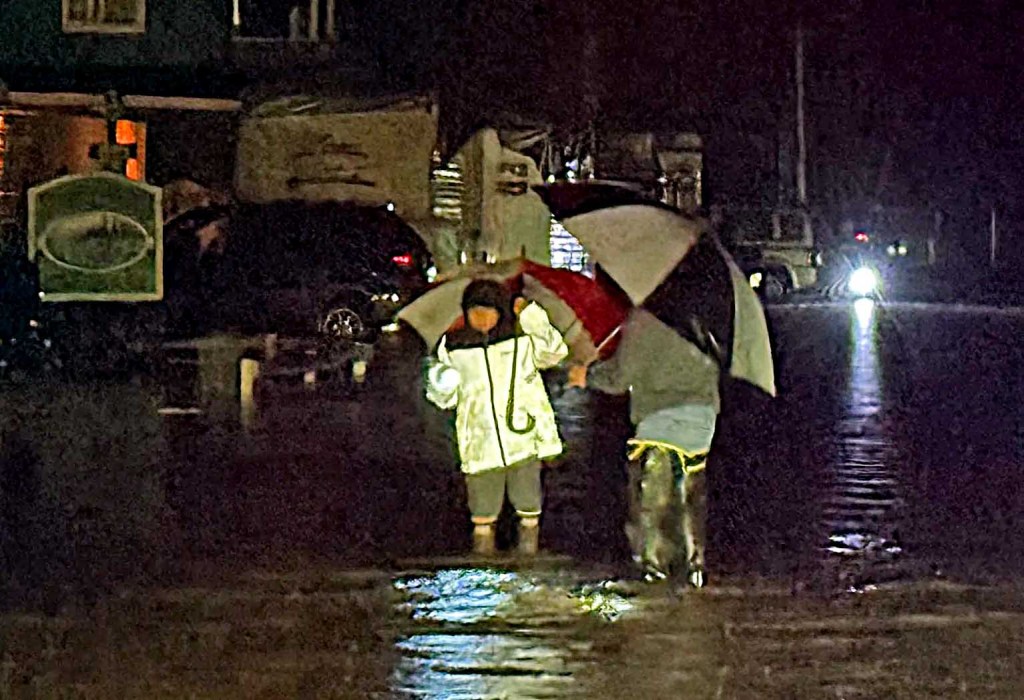
According to radio traffic, Dockter and SBPD Chief Lucas Stigall and Raymond Police Department (RPD) Officer Ivy Stafford quickly acted. The trio started evacuating residents from the area and began coordinating with PCEMA.
Officers on the job
The Observer was on scene within minutes of the distress call and watched as Dockter waded through water that was waist deep in near pitch-black darkness. Stafford also donned boots and waded into the water to assist in rescuing residents.
SBPD Officer Bubba Madrid, who is also a volunteer firefighter, also responded to the scene in a South Bend Volunteer Fire Department brush truck. He prepped the truck in case a high-stakes rescue was needed.
Residents in the area had no warning the water was going to rise as fast as it did, and by the time they realized the situation it was already too late.
Within an hour, the water hit Fourth Street and began rushing down Central Avenue several blocks to U.S. 101. The highway was covered by 4-5 inches of rushing water along with other areas for most of the night on Dec. 8 into Dec. 9.
Part of the job
Stigall shrugged off the heroic acts, stating it simply comes with the job and that when situations arise, they adapt and overcome. He credited the devotion of his team and partner agencies for their quick actions, along with PCEMA.
“I’m extremely thankful to Director McDougall for helping us facilitate housing for the displaced residents,” Stigall said. “I am hugely grateful that he facilitated that, so we didn’t have to. It enabled us to just send the people to the location he arranged. It took that off my plate, which allowed us to focus on evacuation, rescue and other flood-related efforts.”
There was one presumed canine fatality during the rainfall. An individual who was walking over the North Fork Bridge that crosses the Willapa River in Raymond on Dec. 8 reported hearing a dog in distress in the river.
The individual called 911 and told dispatchers they heard the dog and had last seen it near the rocky shoreline near the Weyerhaeuser mill. RPD Officer Rikki Coma and Stafford drove along the river on State Route 105 and were unable to locate the animal.
As of reporting, no one has reported a missing dog.